


Meteora

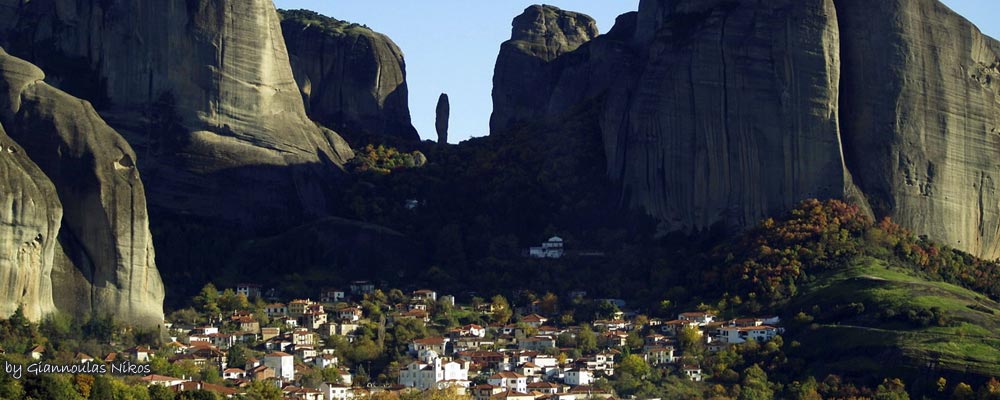
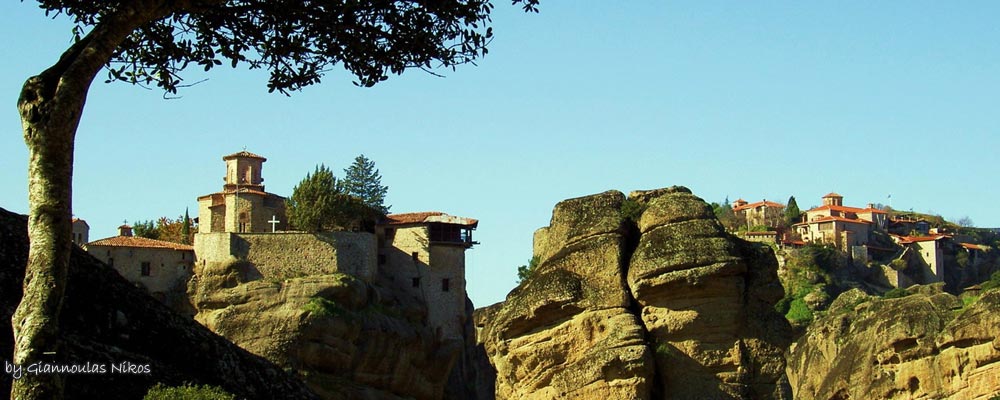
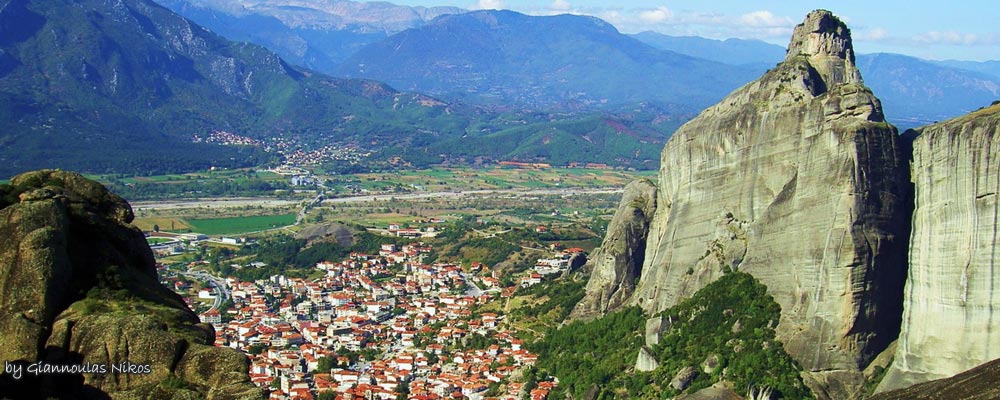
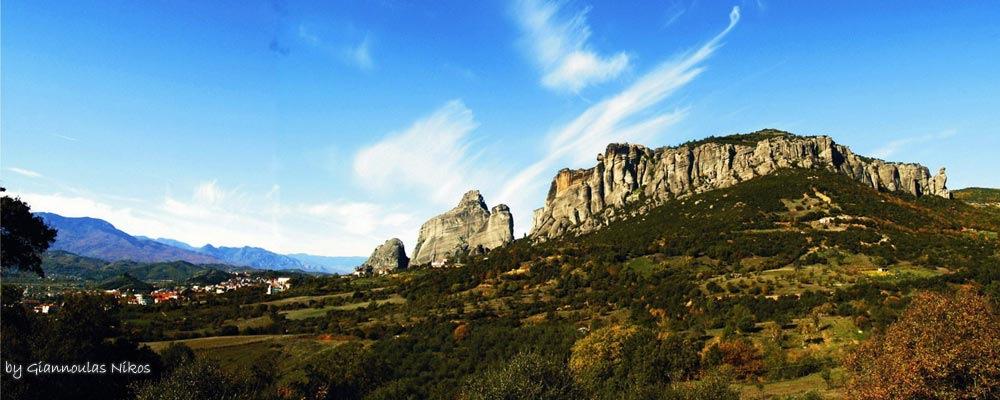
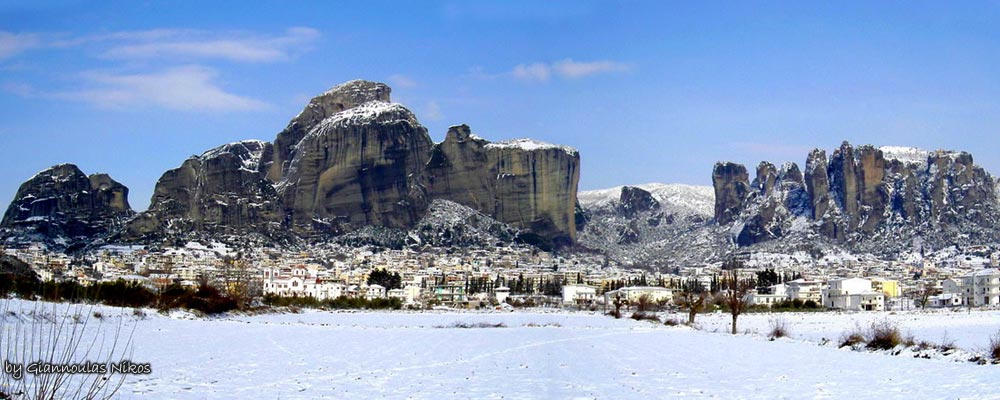
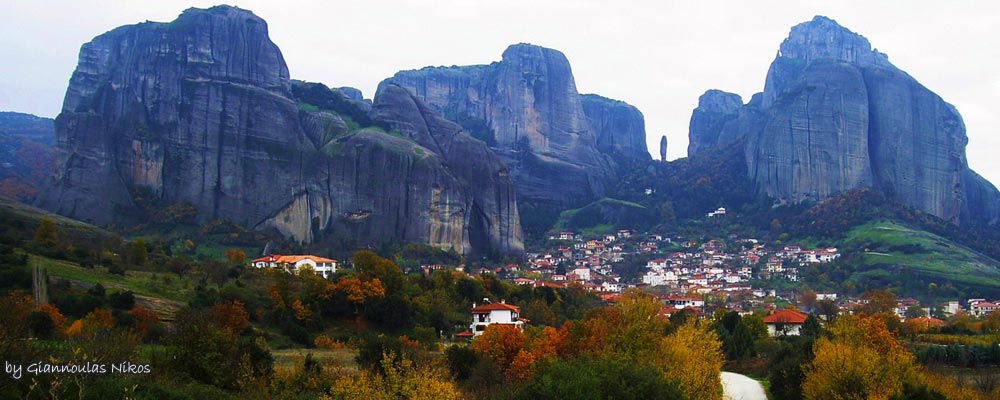
Meteora, "Thebais" of Stagoi, as they were apprositely called, is the largest and the most important complex of monasteries in the whole Greece after Mount Athos. At the northwest edge of the Plain of Thessaly, between the mountain massifs of Pindos and Antichasia, near the Peneios river, hounted by the nymphs of the Greek forests and rivers, the Dryads and Naiads, the stone giants of Meteora stand still and silent, and their proud and imposing aspect breaks off the monotony of the landscape of the vast Thessalic plain right above kalambaka City and the picturesque kastraki, causing awe and ecstasy.
The rocky forest of the Meteora Godsent rocks creates one of the world's most wondrous and spectacular landscapes. There, the anchoride weary of the hustle and bustle of the wordly life, found the most appropriate place for the ascetic life and respose, the ideal refuge in which to seek tranquility of soul and peace, during his despserate efforts to conquer his passions and abate life's anxiety with the help of the stunning landscape. On these untrodden peaks the daring abd determined hermit discovered the secret ladder which leads to heaven's chambers and ultimately to union with God, as the hymnographer characteristically describes: "The net says to the monks, be careful, not only do i lift you up from the ground to the top, but also to heaven".
The first traces of the history of Meteora are shrouded in the mist of the legend and tradition. It seems that early as the 11th century the first hermits braved the storms and the fierce weather and armed with their indomitable will, they climbed up on the rocks like the wildbirds of these wind-beaten crags in quest of fulfillment of soul and redemption.
In the late years of the 11th century or the early years of the 12th century the nucleus of a rundimentary monastic state was already in existence, the Skete of Doupiani or Stagoi and the worship was focused on the church of Theotokos (mother of God) which was the Kyriakon of the skete. "Head of the Skete of Stagoi had been proposed as the foremost being (protaton)", according to the so-called "Historical Treatise" or "Chronicle of Meteora". In this church, which still stands today, just below the Monastery of St. Nicholas Anapafsas, the austere and withdrawn from the world hermits gathered together each Sunday. They descended from their caves, their "prosefchadia" and cells to participate in the communal, formal and established worship of God.
The head of the skete of Stagoi, according to the Athonite tradition, bore the title of "Protos" (Prior) and Superior of the Skete. It should be noted that "No-one acquired the title abbot, neighter in the Meteora, or any other monastery; that is except the Prior of the Skete of Doupiani, no-one else was called superior in any Monastery in Meteora. This habbit prevailed because the Prior of the skete had also the name of the abbacy".


